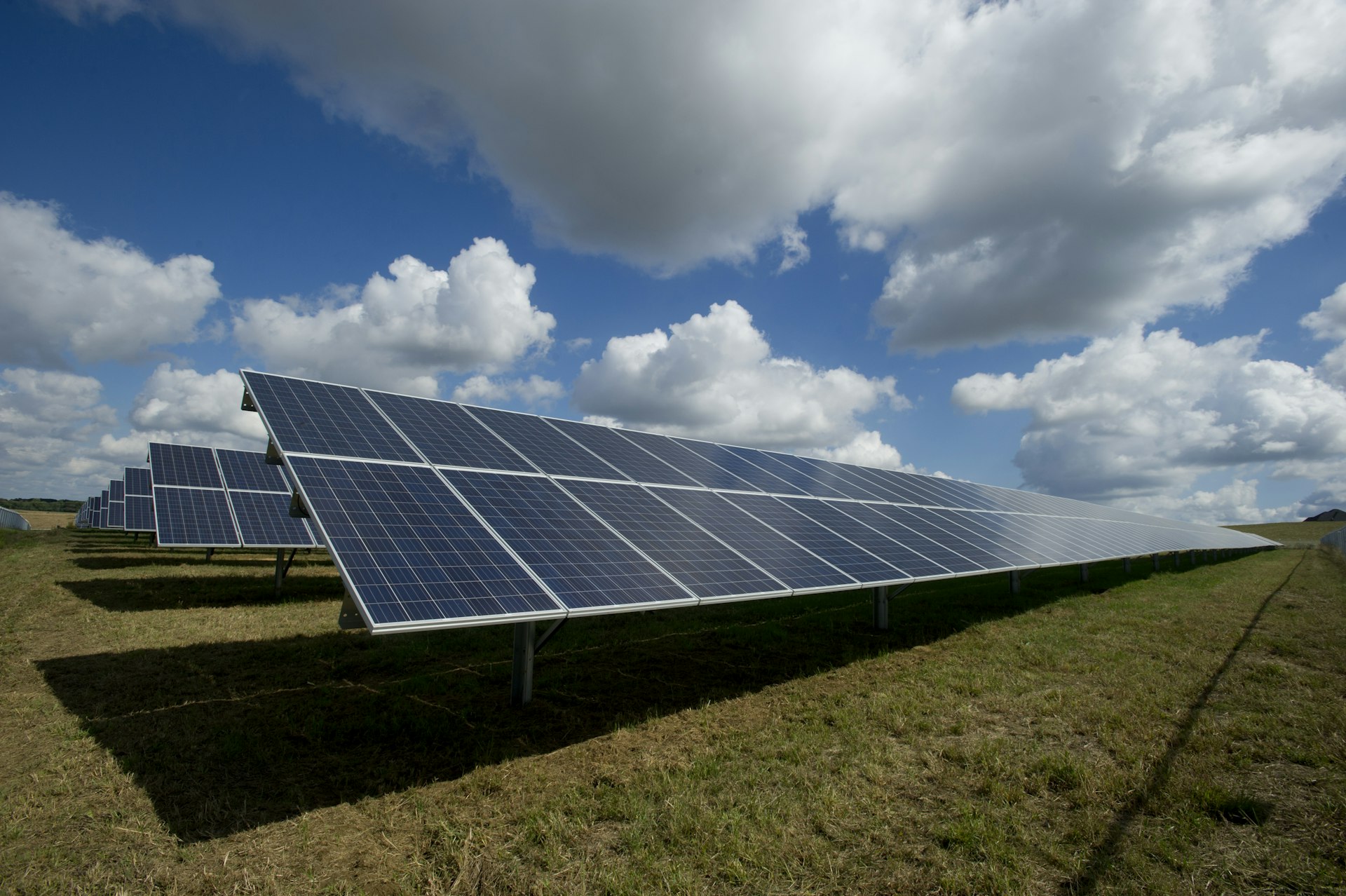
Global warming and the climate challenge
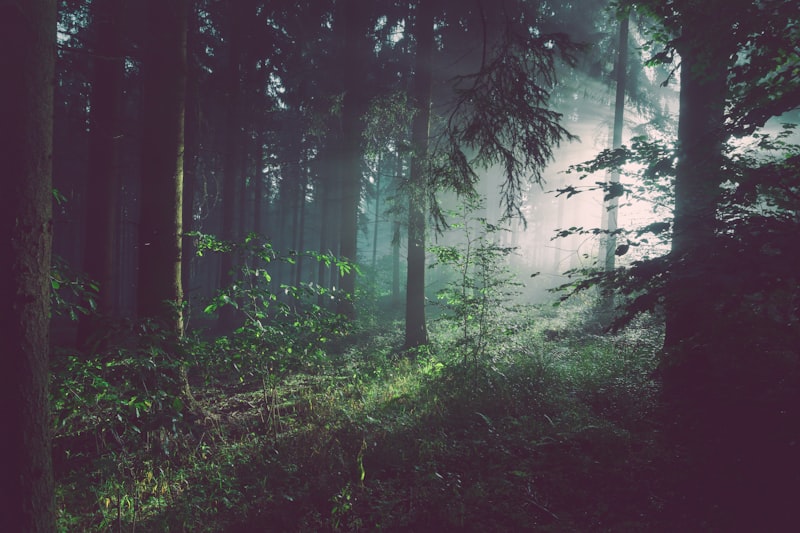
The planet is going through an unprecedented period of change. Natural resources are shrinking, average temperatures are rising and ecosystems are transforming at a pace never recorded before. Spain, like many southern European countries, lives in the front row of the consequences: longer summers, prolonged droughts in regions such as Andalusia or Castilla-La Mancha and a growing vulnerability of Mediterranean biodiversity.
Faced with this scenario, the protection of the environment is no longer an abstract concern and becomes a shared responsibility between citizens, institutions and companies. The development of practices that are more respectful with the climate represents the path to preserving landscapes, species and ways of life that have defined Spanish culture for centuries.
The role of Spain in green energy
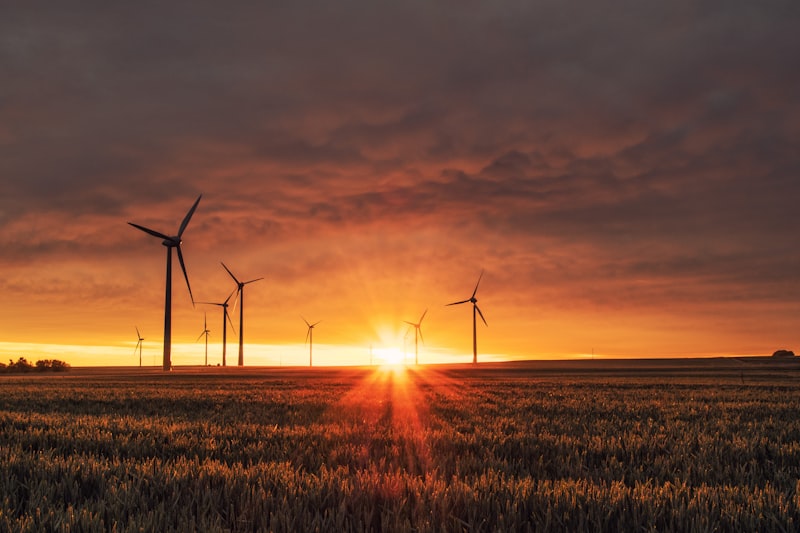
Spain is among the European countries with the highest potential for renewable energy. With thousands of annual hours of sunshine, constant winds on the Atlantic coast and ideal areas for hydropower, the country has committed to a future based on clean sources.
Spanish energy companies are working on the construction of solar parks in Extremadura, wind facilities in Galicia and green hydrogen storage projects in Aragon. The goals of the National Integrated Plan for Energy and Climate 2026 set out a clear roadmap: reduce the carbon footprint, electrify transport and consolidate a more resilient power grid. It is a collective project in which every everyday decision counts for the development of the country.
The future of sustainable agriculture
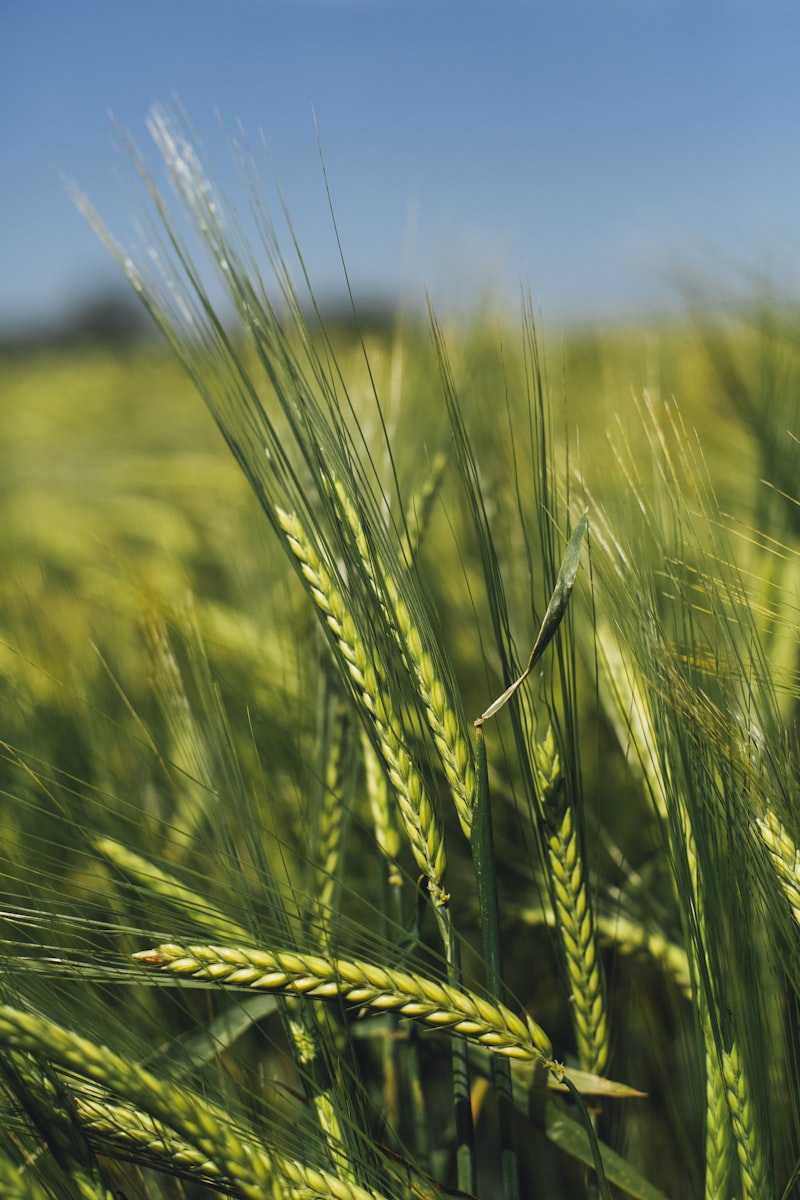
Agriculture 5.0 represents a new stage for the Spanish countryside. Connected sensors, precision irrigation, agricultural drones and intelligent systems allow farmers to cultivate more efficiently, saving water and reducing the use of chemical products on the crops.
In regions such as Murcia, Almeria or La Rioja, traditional farmers collaborate with research centres to design productive models that respect the land. The protection of the soil, the regeneration of Mediterranean forests and the care of pollinating fauna are essential pieces of this development. The future of food relies on keeping the balance between technology and nature alive.